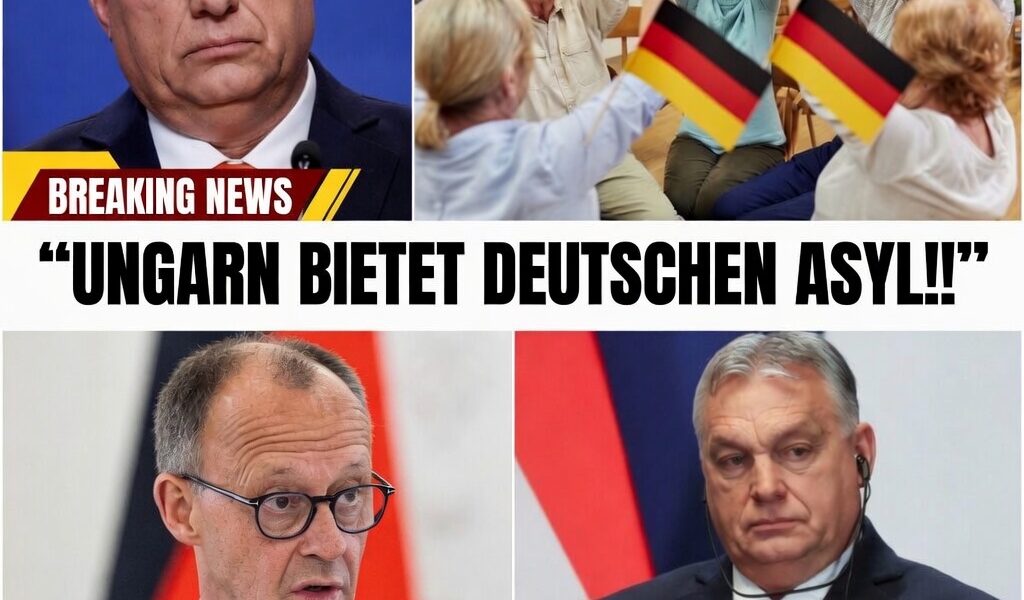

An unusual political signal from Budapest is currently causing intense discussions in Germany and beyond. Hungary’s Prime Minister Viktor Orbán has sent a message to a target group that is rarely at the centre of international politics: German pensioners. His words have not only attracted attention, but also triggered a debate that reaches far beyond national borders.
At its core, it is about a question that concerns many people: How secure is life in old age – and what responsibility does the state have towards those who have worked for decades? Orbán’s initiative hits precisely this nerve and has thus sparked a discussion that is emotional and at the same time touches on fundamental political questions.
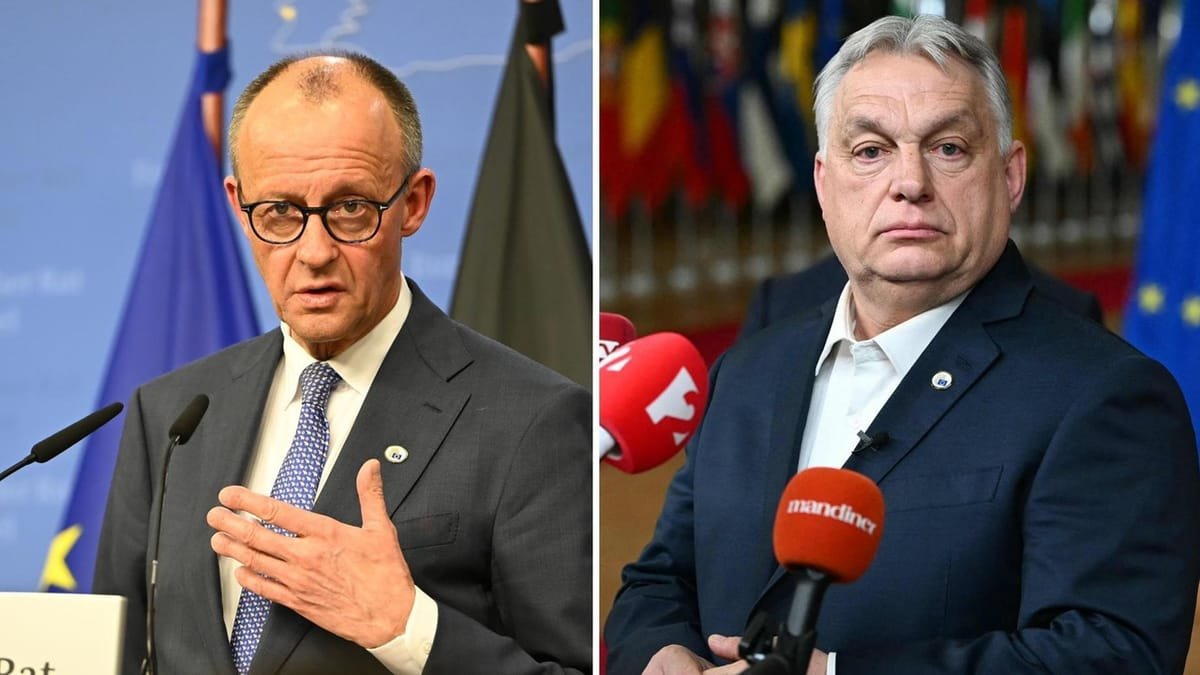
The Hungarian head of government held out the prospect that German pensioners could settle in Hungary and find support and a life there at comparatively lower costs. This statement was interpreted by many as an invitation – an invitation that stands in a political context in which social security and quality of life are increasingly coming into focus.
This is not just about symbolic words. In fact, it is generally possible to transfer residence to another member state within the European Union. Freedom of movement allows citizens to settle in another EU country relatively easily, provided that certain conditions are met, such as a secure income and health insurance.
Against this backdrop, Orbán’s offer appears less as a rhetorical gesture than as an indication of existing opportunities within the EU. At the same time, it becomes clear that the statement conveys a political message: it focuses on the social situation in Germany and compares it with the conditions in Hungary.
A central point in this debate is the economic situation of many pensioners. In Germany, concerns about poverty in old age have been growing for years. Rising living costs, especially for rent and energy, are putting a strain on many households. Even though the pension system continues to offer broad protection, many people report financial restrictions in everyday life.
Orbán’s statement takes up these concerns and places them in an international context. Hungary is portrayed as a country where life is cheaper and where older people with a comparable income may be able to achieve a higher standard of living. In fact, the cost of living in many regions of Hungary is lower than in Germany, especially outside the capital Budapest.
In addition to economic aspects, quality of life also plays a role. Many regions of Hungary offer a quiet environment, a well-developed infrastructure and a cultural offer that is also attractive to international residents. For some people, this can be a deciding factor when thinking about moving.
The political reaction in Germany was clear. Representatives of various parties voiced criticism of Orbán’s initiative and warned against simplifying the situation. They stressed that social security cannot be measured solely in terms of the cost of living, but also depends on factors such as health care, social inclusion and long-term stability.
At the same time, the discussion was used to point out existing challenges in their own country. The question of how pension systems can be made stable in the long term is one of the central issues of German domestic policy. This is not only about the amount of pensions, but also about financing and demographic development.
The controversy also shows how closely national politics and European structures are linked. Decisions and statements in one country can have a direct impact on the political debate in other countries. Orbán’s initiative is an example of how quickly issues spread internationally and provoke different reactions.
Another aspect is the perception of security and stability. While some voices portray Hungary as an attractive place for a quiet life, others point to political and social differences. These different perspectives make it clear that the evaluation of a possible move depends on individual priorities.
The role of the European Union is also discussed in this context. Freedom of movement within the EU is a central element of European integration and allows citizens to react flexibly to economic and personal changes. At the same time, it raises questions, for example about the coordination of social systems and the responsibility of individual states.
The debate over Orbán’s offer shows how complex these questions are. It touches on issues such as social justice, national responsibility and European cooperation. It becomes clear that simple answers are rarely enough to take into account the different interests and perspectives.
For many people, however, the focus is on a very practical question: How can a dignified life be ensured in old age? This question will continue to gain importance in the coming years as the population in many European countries ages and the demands on social systems increase.
Orbán’s initiative has not triggered this discussion, but it has intensified it and put it in a new light. It shows that political statements can have an impact even if they seem unusual at first glance. Above all, however, he makes it clear that the issues of social security and quality of life in old age affect people all over Europe.
In the end, the realization remains that this debate goes far beyond individual political statements. It is part of a larger development in which societies have to deal with the challenges of demographic change and economic changes. How these challenges are overcome will be decisive for what life in old age will look like in the future – in Germany, in Hungary and throughout Europe.